The 5 K-Beauty Trends I Stopped Following After 50
Korean mature skin skincare routine
For many years, I loved trying new skincare products.
Like many women, I followed beauty trends, bought products that everyone was talking about, and hoped that the next cream or serum would make a noticeable difference.
Some trends were helpful.
Many were not.
Now that I’m in my 50s, my skincare philosophy has changed completely.
Instead of following every trend, I focus on what actually works for my skin.
These are five K-beauty trends I no longer follow—and why I stopped.
1. The 10-Step Skincare Routine
One of the most famous K-beauty trends around the world is the 10-step skincare routine.
For a while, I believed that more products would automatically lead to better skin.
Oil cleanser.
Foam cleanser.
Toner.
Essence.
Serum.
Ampoule.
Sheet mask.
Eye cream.
Moisturizer.
Sunscreen.
The routine looked impressive.
But in reality, I found that using more products didn’t necessarily improve my skin.
What made the biggest difference was using a few products consistently.
Today, my routine is much simpler.
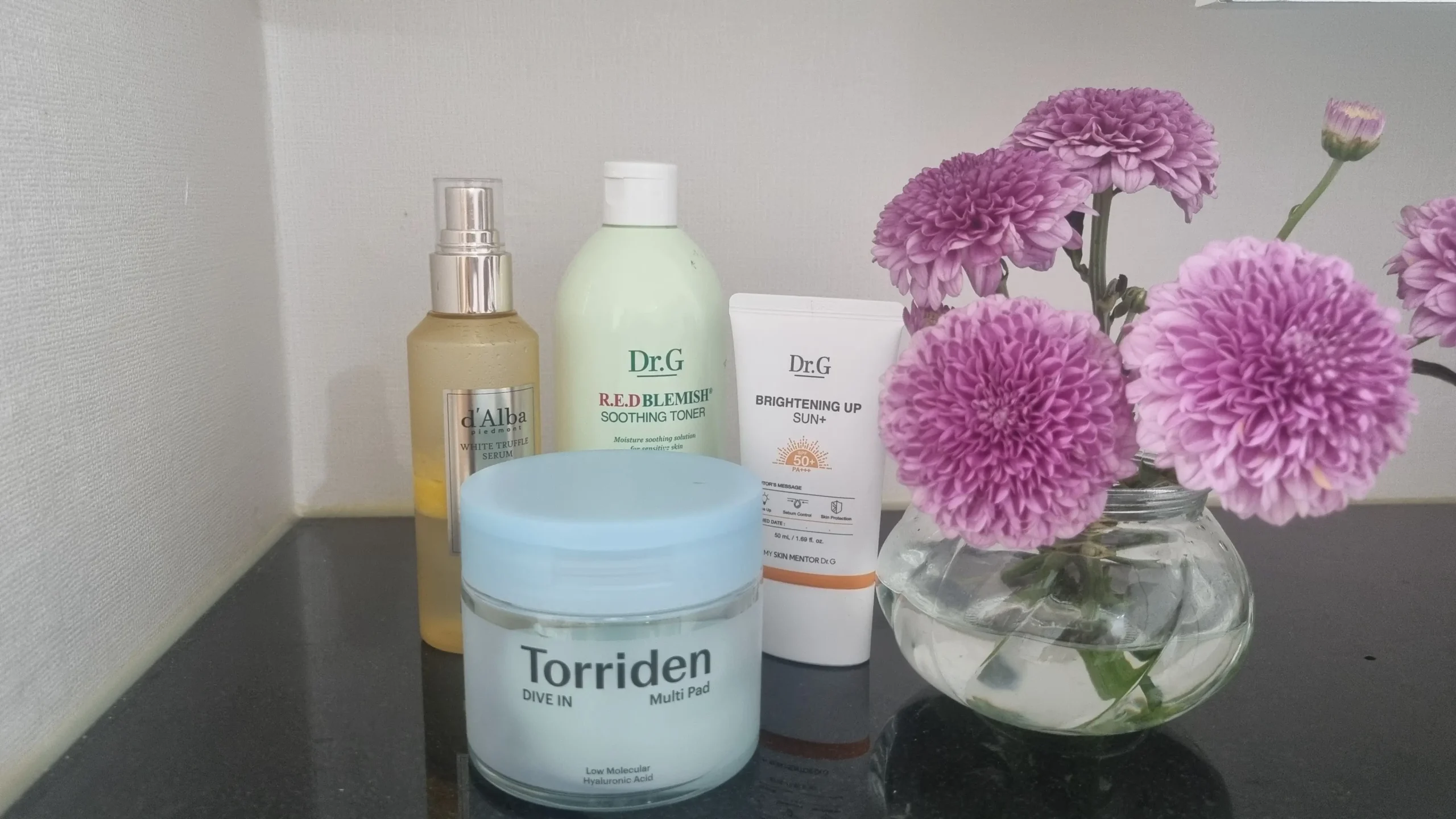
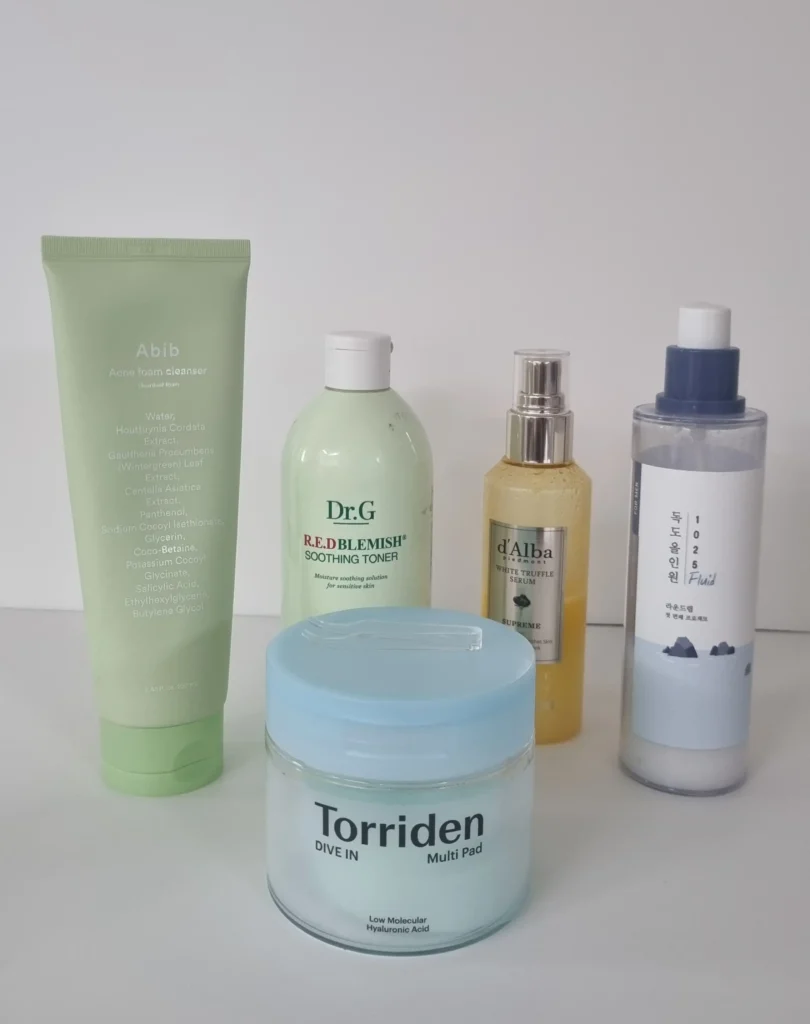
I focus on cleansing, hydration, moisturizing, and sunscreen.
My skin actually feels better now than it did when I was using twice as many products.
2. Daily Sheet Masks
There was a period when sheet masks were a daily part of my skincare routine.
Many people still enjoy them, and I understand why.
They can be relaxing and instantly make the skin feel hydrated.
However, after using them frequently, I noticed something unexpected.
My skin sometimes became itchy.
The more often I used sheet masks, the more sensitive my skin seemed to become.
Eventually, I stopped using them every day.
Now, I reserve sheet masks for special occasions or when my skin feels particularly dry.
Ironically, using them less often works better for me.
3. Using Retinol Every Night
Retinol is one of the most respected anti-aging ingredients in skincare.
I understand why so many dermatologists recommend it.
However, my experience was mixed.
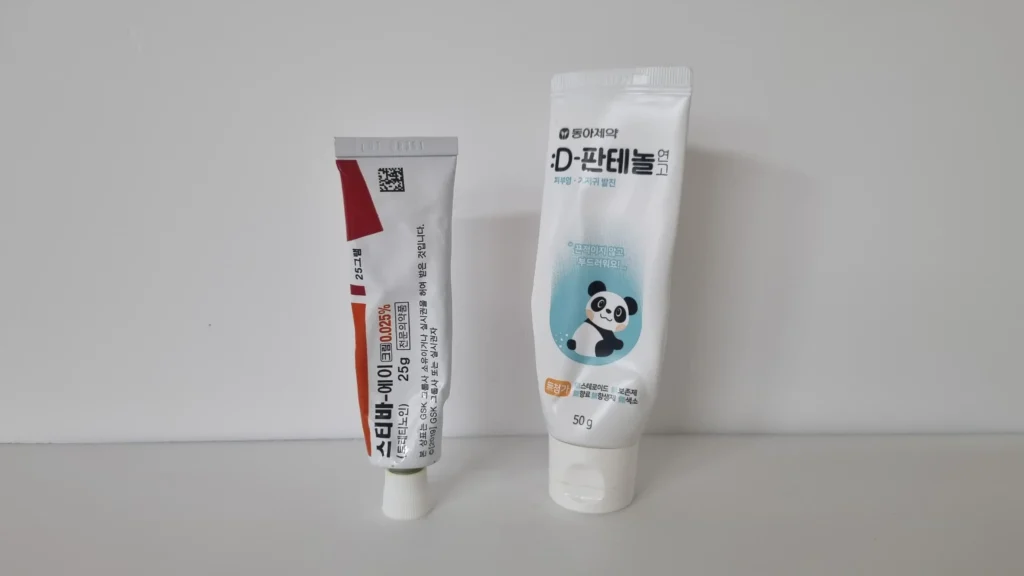
I used a prescription-strength retinoid cream, hoping to improve fine lines and overall skin texture.
At first, I was excited.
Then the redness started.
My skin became dry.
Flaky patches appeared.
Sometimes my skin felt irritated for days.
Eventually, I realized that my skin couldn’t tolerate daily use.
Today, I still respect retinoids, but I no longer believe that stronger is always better.
When I use active ingredients, I pay much closer attention to how my skin responds.
And whenever my skin barrier becomes irritated, recovery comes first.
4. Buying Every Viral Product
This may be the biggest lesson I’ve learned.
Social media makes every new product look life-changing.
Every week there seems to be a new miracle ingredient, a new serum, or a new skincare device promising perfect skin.
I bought many of them.
Some were good.
Most were simply average.
The problem wasn’t the products themselves.
The problem was believing that every trend deserved a place in my routine.
Today, I rarely buy a product simply because it’s viral.
Instead, I ask myself:
Does this solve a problem I actually have?
If the answer is no, I save my money.
5. Believing Luxury Skincare Was Always Better
In my 40s, I used many luxury skincare products.
Brands like Lancôme and Estée Lauder felt sophisticated and luxurious.
And honestly, they gave me a sense of confidence.
There is nothing wrong with enjoying beautiful packaging and premium skincare.
But looking back, I don’t think expensive products automatically gave me better skin.
The biggest improvements in my skin came from consistent habits:
- Daily sunscreen
- Better hydration
- Supporting my skin barrier
- Getting enough sleep
- Being patient
Today, I care much less about the brand name and much more about whether a product actually works for me.
What I Focus on Instead
My skincare routine today is surprisingly simple.
Instead of chasing trends, I focus on four things:
Daily Sunscreen
Nothing has made a bigger difference than protecting my skin from UV damage.
Hydration
Hydrated skin simply looks healthier.
Skin Barrier Health
When my skin barrier is healthy, almost every other skincare concern improves.
Consistency
The best skincare routine is the one you can follow every day.
What Turning 50 Taught Me About Skincare
One thing I didn’t expect was how much my skincare priorities would change.
In my younger years, I wanted dramatic results.
Now, I want comfortable skin.
I care less about looking ten years younger and more about keeping my skin healthy, calm, and resilient.
That mindset has made skincare much more enjoyable.
Final Thoughts
K-beauty has introduced many wonderful products and ideas to the world.
But not every trend works for every person.
As a Korean woman in my 50s, I’ve learned that healthy skin comes from understanding my own skin rather than following every new trend.
The trends I stopped following weren’t necessarily bad.
They simply weren’t the best fit for me.
And sometimes knowing what not to do is just as valuable as knowing what to do.
Links
Do Korean Women Still Follow the 10-Step Skincare Routine? Here’s What I Actually Use at 50
The 5 Biggest Skincare Mistakes I Made Before Turning 50
Why Korean Women Over 50 Care More About Skin Barrier Than Wrinkles
The Korean Skincare Ingredients That Helped My Redness More Than Retinol
What Korean Pharmacies Sell That Olive Young Doesn’t
The Best Korean Toner Pads in 2026: Why Koreans Are Replacing Sheet Masks
Exosome vs PDRN: Which Korean Skincare Ingredient Is Better for Anti-Aging?
Top 10 Olive Young Best Sellers: The Exact Skincare Products Locals Actually Buy in Korea
FAQ
Some do, but many prefer simpler routines focused on hydration, sunscreen, and skin barrier care.
Not necessarily. Many people use sheet masks only when their skin needs extra hydration.
Yes. Retinol and prescription retinoids can cause irritation, dryness, and peeling, especially when used too frequently.
Not always. Ingredients, consistency, and suitability for your skin are often more important than price.
Hydration, sun protection, skin barrier support, and consistency are often more important than complicated anti-aging routines.