From Ultherapy to PDRN: How Korean Anti-Aging Trends Are Changing
If you have been following Korean beauty trends lately, you’ve probably noticed one ingredient appearing everywhere: PDRN.
A few years ago, most conversations about anti-aging focused on lifting treatments. Thread lifts, Ultherapy, and various tightening procedures were extremely popular.
Today, however, the spotlight has shifted.
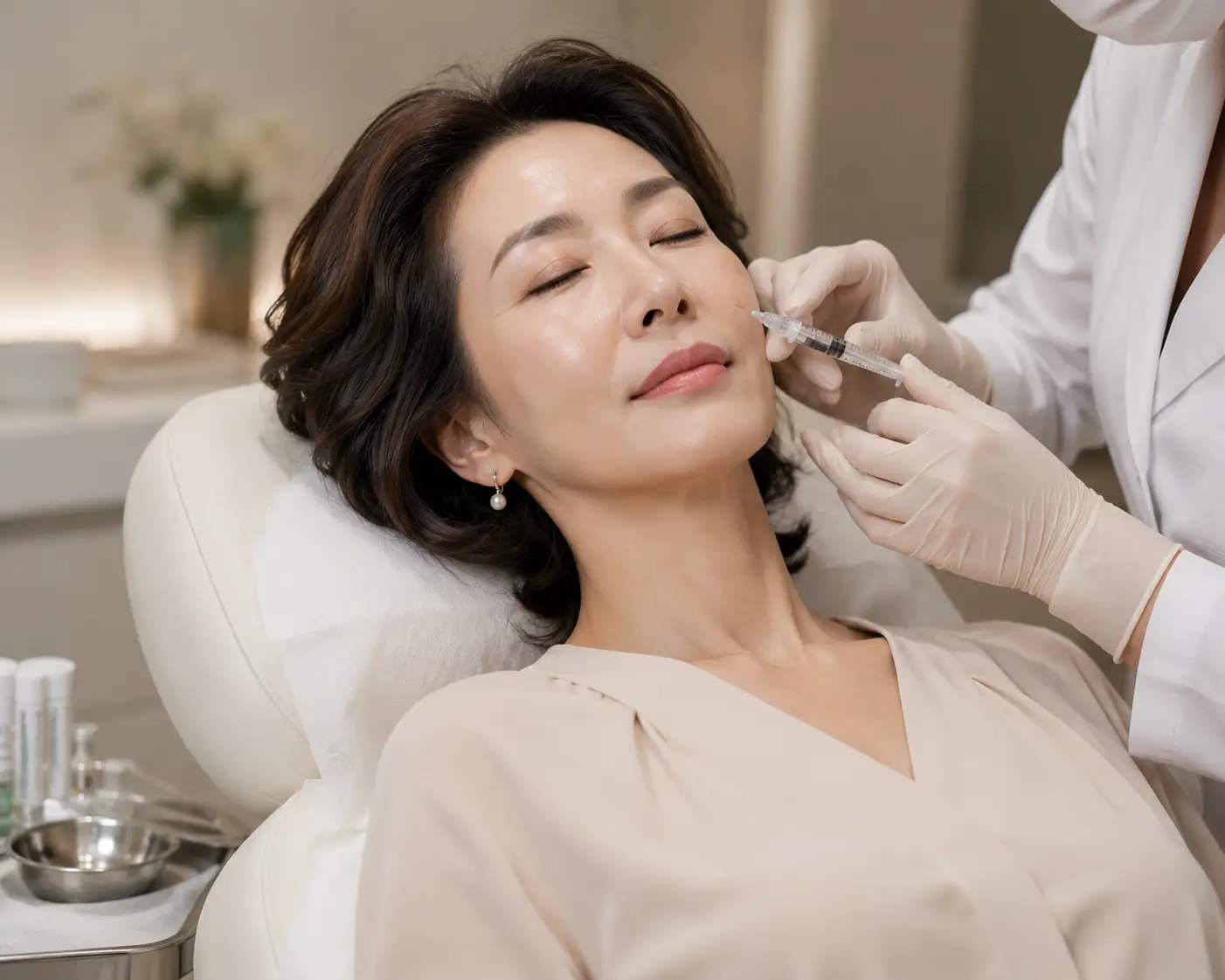
In many Korean dermatology clinics, skin boosters such as Rejuran, PDRN, exosomes, and hyaluronic acid injections have become some of the most talked-about treatments.
As someone in my 50s who has tried a few clinic treatments myself, I find this trend fascinating.
But instead of booking another expensive procedure, I’ve become more interested in the skincare version of PDRN.
What Is a Skin Booster?
A skin booster is a treatment designed to improve skin quality rather than dramatically change facial structure.
Unlike fillers, which add volume, skin boosters focus on hydration, texture, elasticity, and overall skin health.
Some of the most popular skin boosters in Korea include:
- Rejuran (PN)
- PDRN skin boosters
- Exosome treatments
- Hyaluronic acid injectables
These treatments are usually injected directly into the skin and are often used to improve skin texture, hydration, and radiance.
My Experience With Lifting Treatments
My Experience With Ultherapy & Shurink
Several years ago, I decided to try Ultherapy.
At the time, it was one of the most recommended lifting procedures in Korea.
I paid roughly 2 million KRW for the treatment.
To be completely honest, the results were impressive.
My jawline appeared tighter, and my skin looked firmer for many months afterward.
I understood why celebrities and beauty influencers loved it.
The problem was the cost.
Although I was happy with the results, I eventually realized that they were not permanent.
For me, the improvement lasted about a year before I began noticing signs of aging again.
That experience made me wonder whether I wanted to spend that amount of money regularly.
The answer was no.
Later, I tried Shurink.
Compared with Ultherapy, it was much more affordable at around 400,000 KRW.
Unfortunately, I did not experience the same dramatic results.
The treatment was easier on my budget, but the improvement felt relatively subtle.
That doesn’t mean Shurink is ineffective.
Many people are satisfied with it.
However, for my own skin, the difference was not significant enough to make me excited about repeating the treatment.
Why PDRN Caught My Attention
After those experiences, I started paying more attention to skincare products rather than expensive procedures.
That’s when I began noticing PDRN everywhere.
PDRN stands for Polydeoxyribonucleotide, a compound derived from salmon DNA that has been studied for its regenerative properties.
In Korea, PDRN is now found not only in skin booster treatments but also in creams, serums, ampoules, and sheet masks.
The idea is simple.
If people love PDRN injections, skincare brands naturally want to bring that same ingredient into home care products.

Can PDRN Skincare Replace Skin Booster Treatments?
In my opinion, no.
A cream cannot fully replace an injectable treatment.
The delivery method is completely different.
However, that doesn’t mean PDRN skincare products are useless.
I see them as part of a supportive skincare routine rather than a replacement for professional procedures.
Personally, I prefer this approach.
Instead of spending millions of won every year, I focus on affordable habits that I can maintain consistently.
One question I often see is: “What are the most popular PDRN skincare products in Korea right now?”
While there are many options available, two products are mentioned most frequently among K-beauty fans and skincare communities.
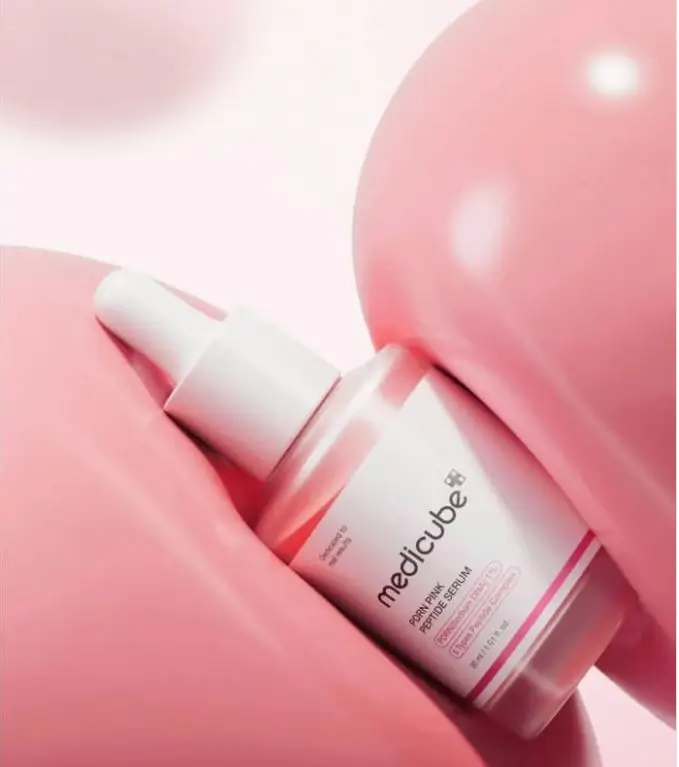
- The first is the Medicube PDRN Pink Peptide Serum, which combines PDRN, peptides, and hydrating ingredients to target dullness, elasticity, and overall skin radiance. It has become one of the most recognizable PDRN products both in Korea and internationally.
- Another popular option is the Anua PDRN Hyaluronic Acid Capsule Serum. This product focuses on combining PDRN with intense hydration, making it especially appealing for people with dry or mature skin. It is frequently recommended in K-beauty discussions and has gained significant popularity over the past year.
That said, I have not personally used either product yet. I prefer being honest about what I have and haven’t tried. However, if you are curious about the current PDRN trend in Korea, these are probably the two products you will encounter most often.
What Has Helped My Skin More Than Expensive Treatments
As I’ve gotten older, I’ve realized that consistency matters more than chasing every new trend.
The things that have helped my skin the most are surprisingly simple:
- Daily sunscreen
- Consistent hydration
- Skin barrier care
- D-Panthenol cream when my skin feels irritated
- Retinoids used carefully
- Moisturizer masking during dry seasons
These habits may not sound exciting, but they have made a bigger difference than many expensive treatments I’ve tried.
My Thoughts on the PDRN Trend
I understand why PDRN is becoming so popular in Korea.
People want healthier-looking skin without constantly relying on invasive procedures.
For me, PDRN skincare fits into a larger philosophy.
I am no longer looking for a miracle treatment.
I am looking for routines that I can comfortably maintain year after year.
That is one reason PDRN skincare has caught my attention.
It feels like a practical way to participate in a beauty trend while staying true to a simpler skincare approach.
Final Thoughts
Korean beauty trends will continue to change.
A few years ago, everyone talked about lifting treatments.
Today, skin boosters are the hot topic.
Tomorrow, it may be something completely different.
But after trying expensive treatments myself, I have learned that healthy skin is usually built through daily habits rather than one dramatic procedure.
For now, I am happy focusing on sunscreen, hydration, skin barrier care, and perhaps a little PDRN along the way.
FAQs
- What is PDRN?
A: PDRN stands for Polydeoxyribonucleotide, a regenerative ingredient derived from salmon DNA that is commonly used in Korean skincare products and skin booster treatments.
2. Is PDRN the same as Rejuran?
A: No. Rejuran contains PN (Polynucleotide), while PDRN is a related but different ingredient. Both are used to support skin repair and rejuvenation.
3. Can PDRN cream replace skin booster injections?
A: No. Topical skincare products cannot fully replace injectable treatments, but they may support hydration and skin barrier care as part of a regular routine.
4. Which skin boosters are popular in Korea right now?
A: Rejuran, PDRN, exosomes, and hyaluronic acid-based skin boosters are among the most popular options.
5. Did I prefer Ultherapy or Shurink?
A: Personally, I saw stronger results from Ultherapy, but it was also significantly more expensive.
6. What skincare habits have helped me the most after 50?
A: Daily sunscreen, hydration, skin barrier repair, careful use of retinoids, and consistent moisturizing.
Internal Links
The One Skincare Step I Never Skip — Even When I Stay Home
Why My Dark Spots Kept Getting Worse Even Though I Used Sunscreen
Why My Pores Looked Bigger After Menopause (And What Actually Helped)
Why I Sometimes Use Moisturizer Like a Face Mask
What I Buy at Olive Young Every Time I Visit (And What I Skip)